DAE-Intro
This course module gives insight into the complexity of designing electronic information processing systems, making designers become productive earlier, take up less time of experienced colleagues and use an identical and effective design approach. It also refreshes, broadens and learns to apply analysis techniques. 6 days, lectures, practical training, home-work and final assignment.
The course price is excluding 200 euro (excluding VAT) for a software package (‘Scientific Notebook’ and an introductory version of the circuit simulator SIMetrix) to be used during all course modules. The participant makes assignments during the course days and other days and is requested to bring a laptop to the course onto which software can be installed. The High Tech Institute can provide for a laptop that can be hired.
Days 1 – 4 and 6: Intented for designers with little experience in analog electronic design. BSc in physics or electrical engineering or secondary education in electrical engineering with some years of experience in design and engineering of simple electronic circuits. Prior knowledge on matrix algebra, complex functions, transformations, stochastic modeling, network theory.
Day 5: Is also intended as refreshment of foreknowledge for more experienced analog designers who want to attend DAE-AE1 without attending DAE-Intro.
Day 1: Introduction analog signal processing
- Architecture of information processing systems and basic analog information processing and reference functions
- Information processing capacity and fundamental limitations thereof
- Manifestation of signal processing errors and error reduction techniques
Day 2: Implementation aspects of electronic systems and other design aspects
- Signal integrity and system construction, signal transmission methods and standards, interconnection of subsystems and minimization of influence of interference signals
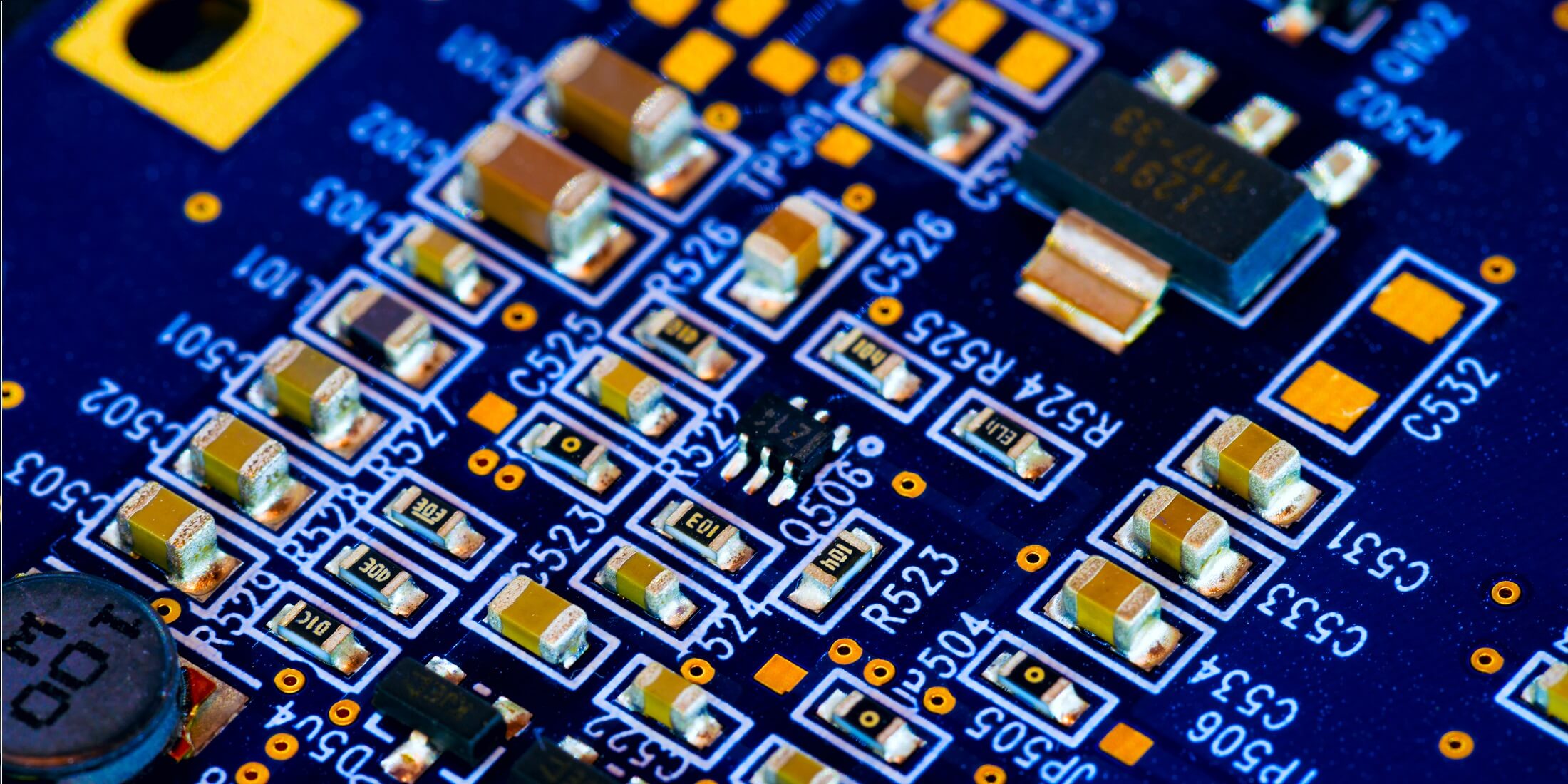
- Signal integrity and PCB design
- Product life cycle and ‘lifecycle design’
- Reliability and safety of electronic systems
- Aspects of multidisciplinary design
- Validation and qualification
Day 3: Components and technology
- Discrete passive components, technology and modeling
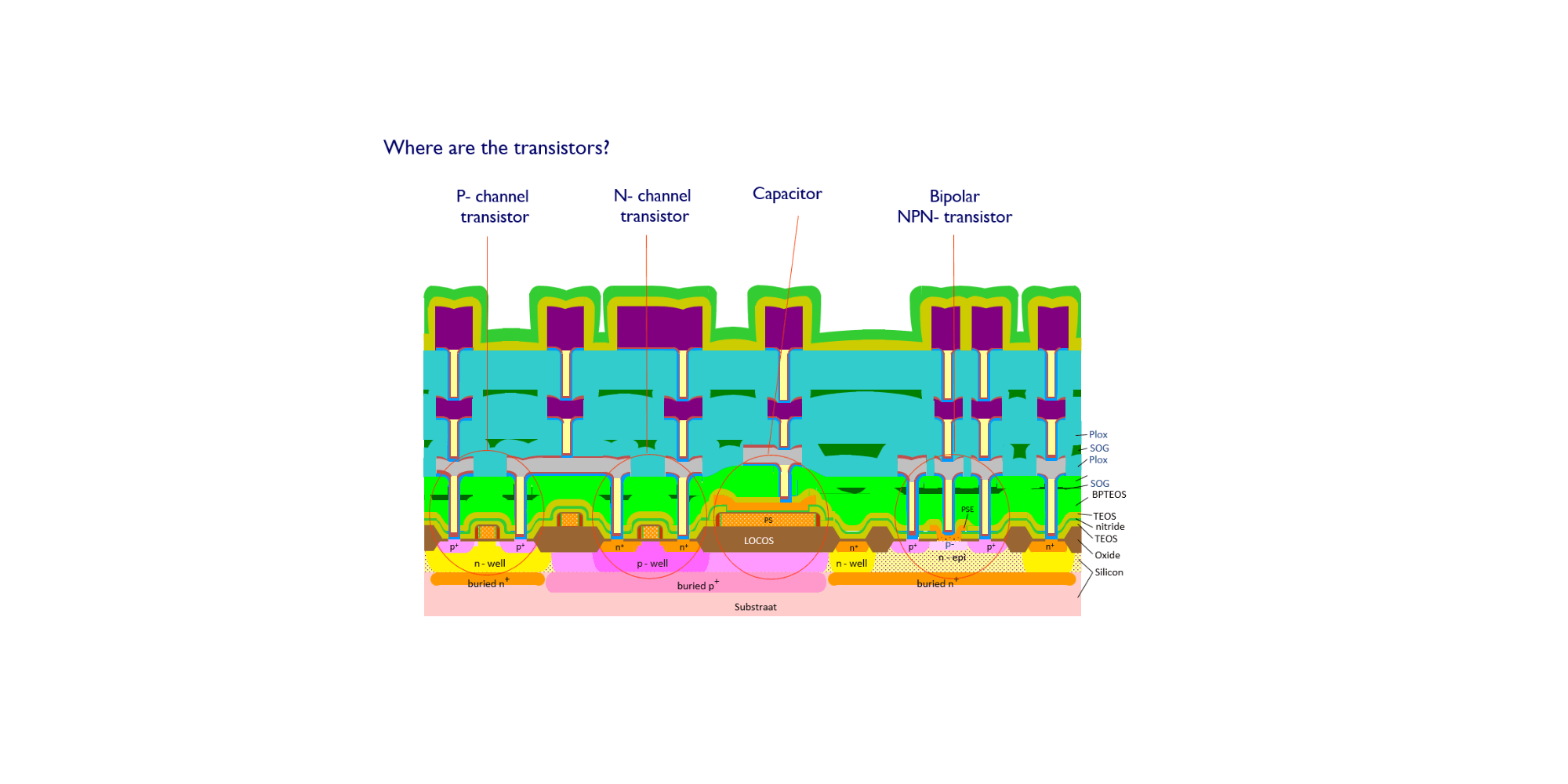
- Overview semiconductor devices, technology and modeling
- IC building blocks
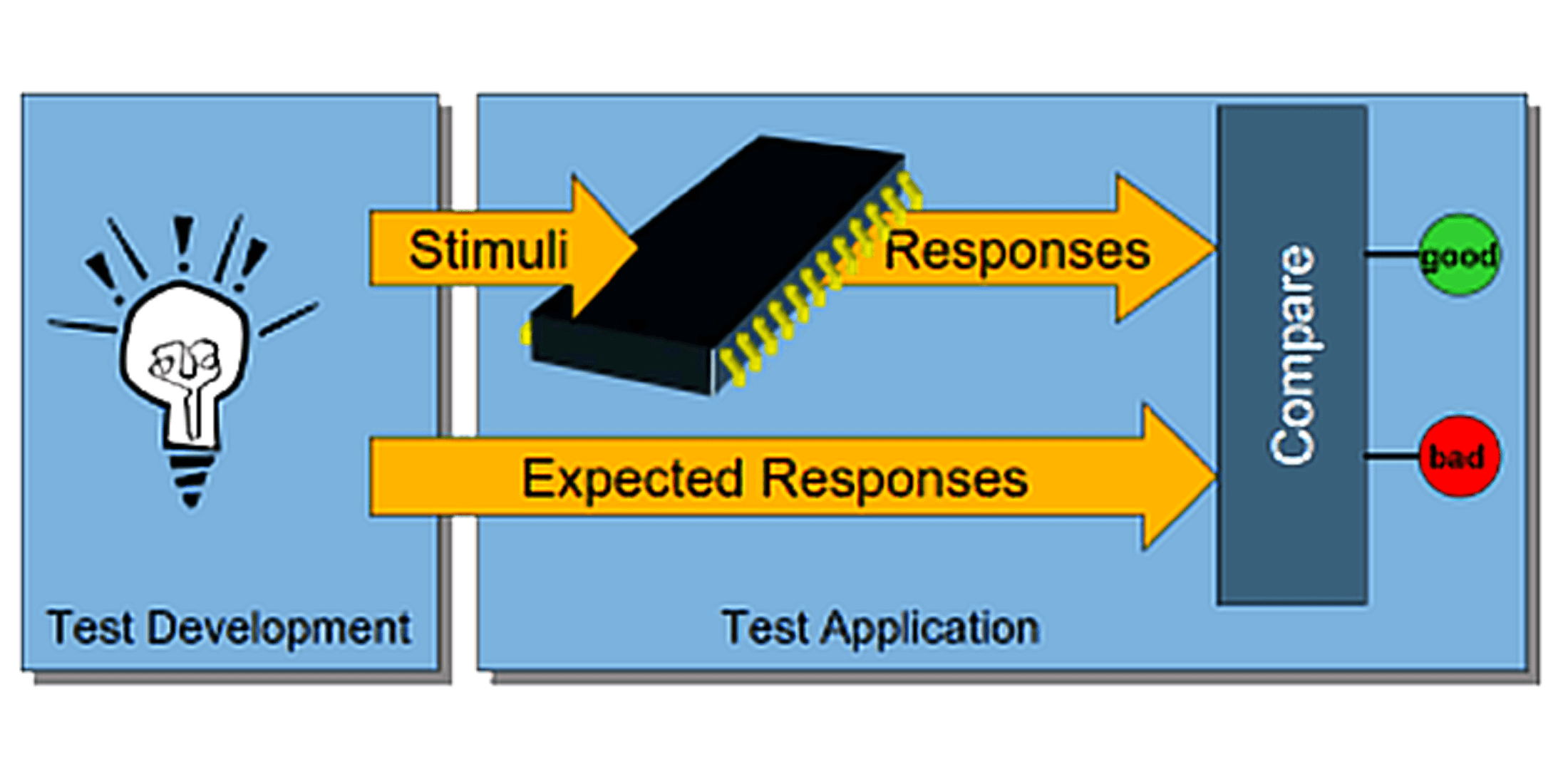
- PCA (printed circuit assembly) manufacturing and testing
Day 4: Sensors and actuators
- Functioning, modeling and interfacing of a number of commonly used transducers
Day 5: Modeling, simulation and measurement
- Signal models
- Deterministic (time-, frequency- and complex frequency domain models)
- Stochastic (average and RMS value, auto correlation, spectral power density)
- System theory
- Noise mechanisms and modeling (thermal noise, shot noise, flicker noise)
- Classification (linearity, stationarity, instantaneous versus dynamic, causality and stability)
- Information theory and analog design
- Summarization of network theory (Modified Nodal Analysis, twoports, poles and zeros)
- Application of linear algebra (matrices, determinant, Cramer’s rule, eigenvalues)
- Symbolic simulation and formulating design equations (software: SIMetrix, SLiCAP and Scientific Notebook)
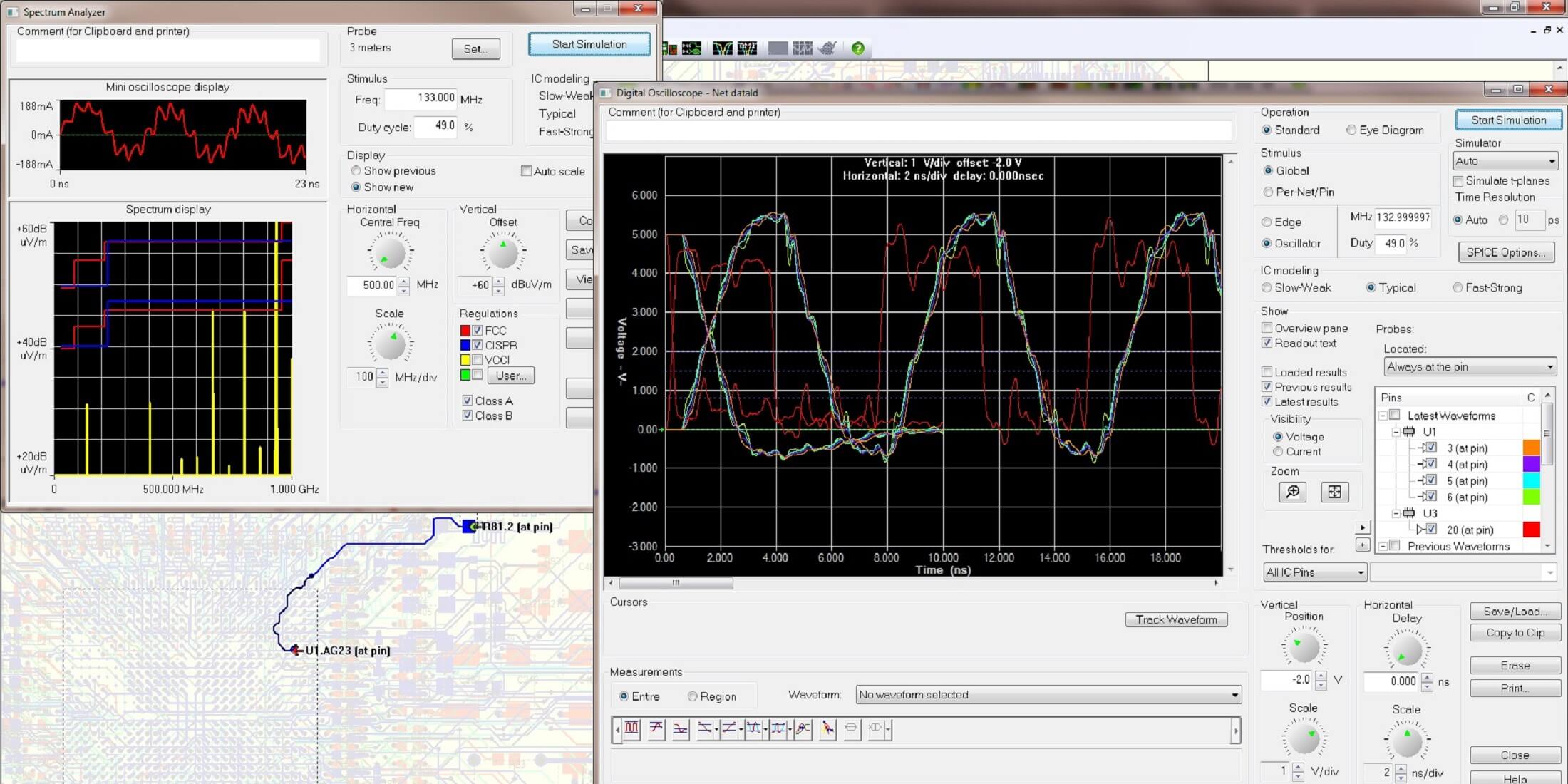
- Circuit simulation (SPICE-based simulators)
- Measurement techniques
- Modeling (Taylor series, differential equations, Fourier and Laplace)
Day 6: Presentation of the results of the final assignment by the participants and group discussion
To be determined
Location:
Eindhoven of Nijmegen
Contact:
Ellen Lely
Tel. +31 24 350 3532
E-mail: training@hightechinstitute.nl
Sign up for this training