SSOM

Summer school Opto-mechatronics

This training starts on: 25-06-2012
Location:Eindhoven
Price:€ 2.995,00 excl. VAT
Duration:5 consecutive days
Contact:Ellen Lely, +31 24 350 3532, training@hightechinstitute.nl

Information

The Summer school Opto-mechatronics has been set-up by the DSPE (Dutch Society for Precision Engineering) in cooperation with leading companies and leading professionals. The scope of the Summer school is to learn about the system design of optical instruments, based on fundamental knowledge of optical design, mechanical design and actively controlled systems. These systems typically include semiconductor equipment, metrology systems, microscopes, printers, space instruments and high-tech production equipment.


Participants will come from many different interesting universities and companies like ASML, Philips, Zeiss, Heidenhain, Jenoptic, EADS and high-end small enterprises. To encourage contacts with your course members, social meet-and-greet events will be organised.

Intended for

Engineers working at academic level with a background in physics, mechanics, electrical or control engineering. Engineers that are experiencing the limits of their discipline and want to learn more about designing a complete optomechatronical system.


Programme

Day1: Systems engineering
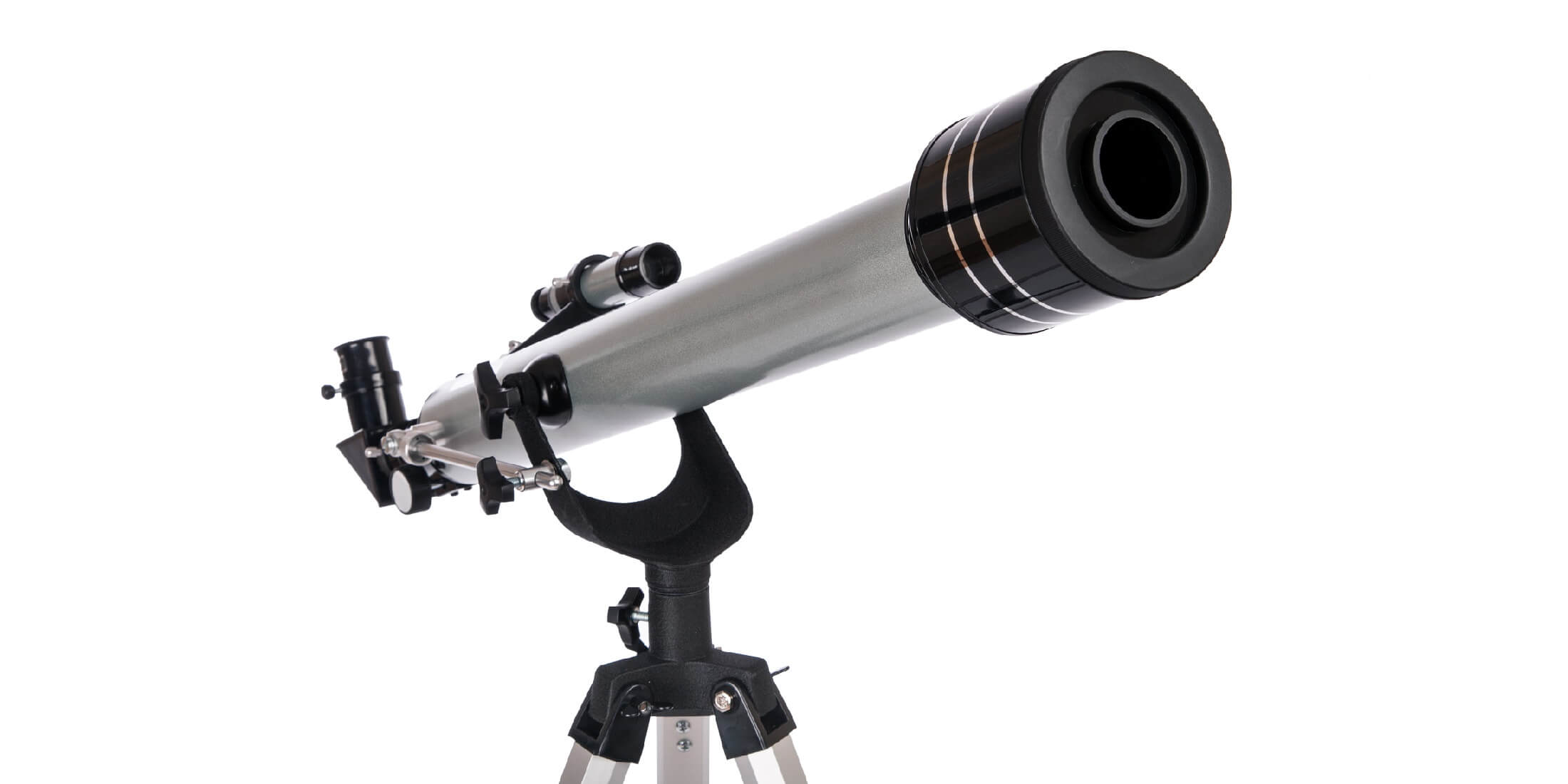
The first day of the Summer school will focus on the systems engineering aspects of product development and discuss the optical delay line of ESO’s Very Large Telescope in respect of:


  • Requirement management
    The technical requirements will be discussed, first order feasibility assessment and uncertainties.
  • Conceptual system design
    Brainstorming concepts that are ranked in a trade-off, using the performance requirements as one of the
    criteria and an assessment of the development risks as another.
  • First elaboration of preferred concept
    Assessment of concept performance and risk using first-order analysis, including mitigation and back up.
  • System breakdown/budget flow
    For the positioning accuracy requirements, with topdown identification of contributors to this budget and
    definition of sub-budgets.
  • Verification
    Verification of the requirements and the main verification methodologies are presented.


Day 2: Optical design
The optics day will consist of two parts: an overview of the optical aspects of a delay line followed by an introduction to optical design approaches. In the afternoon, the design approaches will be put into practice. In small groups under the guidance of experienced optical designers, the participants will design an optical delay line. Concluding the optics day, you will work with the optical design programme Zemax. A detailed discussion on the simulation results will be given.


Day 3: Control design
In control technology terms the optical delay line can be seen as a linear motion system. A tutorial of principles and methods of motion control will be given, with special attention paid to the typical control challenges of delay lines: servo behaviour, vibration disturbance rejection, sensor noise and closed-loop stability. The participants will put motion control theory into practice by undertaking design exercises for a delay line.


Day 4: Optomechanical design
Mechanics plays a dominant role in the design of a delay line. Apart from putting things together high quality mechanics will guarantee best performance in terms of optical quality/stability and control performance. Lightweight and stiff structures are therefore crucial in achieving this goal. The design of the existing ESO delay line will be used to explain the requirements for such a structure. Emphasis will be put on the interactions with the other key technologies needed (optics, control and electronics) and on the mechanical design itself. During the second part of the day the participants will be challenged to participate by designing a specific part of the cat’s eye (optical section of the delay line) using their own experience and the information provided earlier during the day. This will be done in teams of approximately five.


Day 5: Mechatronics
For the last day some still missing elements will be presented that are necessary to realize high performance active positioning and control systems for optics. First of all an overview is given on electromagnetic and piezoelectric actuators, optical position measurement systems and capacitive sensors. Further also attention will be given to the performance determining mechanical system dynamics and vibration isolation. The new field of adaptive optics will also shortly be touched upon.


This course includes course file, lunch on all days, dinner on Monday, Tuesday and Wednesday, and an evening activity on Wednesday. DSPE members are entitled to a 10% discount.


Evening programme
• Experiences with the very large telescope (Frederic Derie (ESO))
• Systems engineering and wafer steppers (Frank de Lange (ASML))
• Active informal summer programme


This course is part of the Certified Precision Engineer program of the Dutch Society for Precision Engineering (DSPE).

Timetable

25-06-2012 09:00
26-06-2012 09:00
27-06-2012 09:00
28-06-2012 09:00
29-06-2012 09:00

Summer school Opto-mechatronics

Location:
Eindhoven
Contact:
Ellen Lely
Tel. +31 24 350 3532
E-mail: training@hightechinstitute.nl

Sign up

Sign up for this training